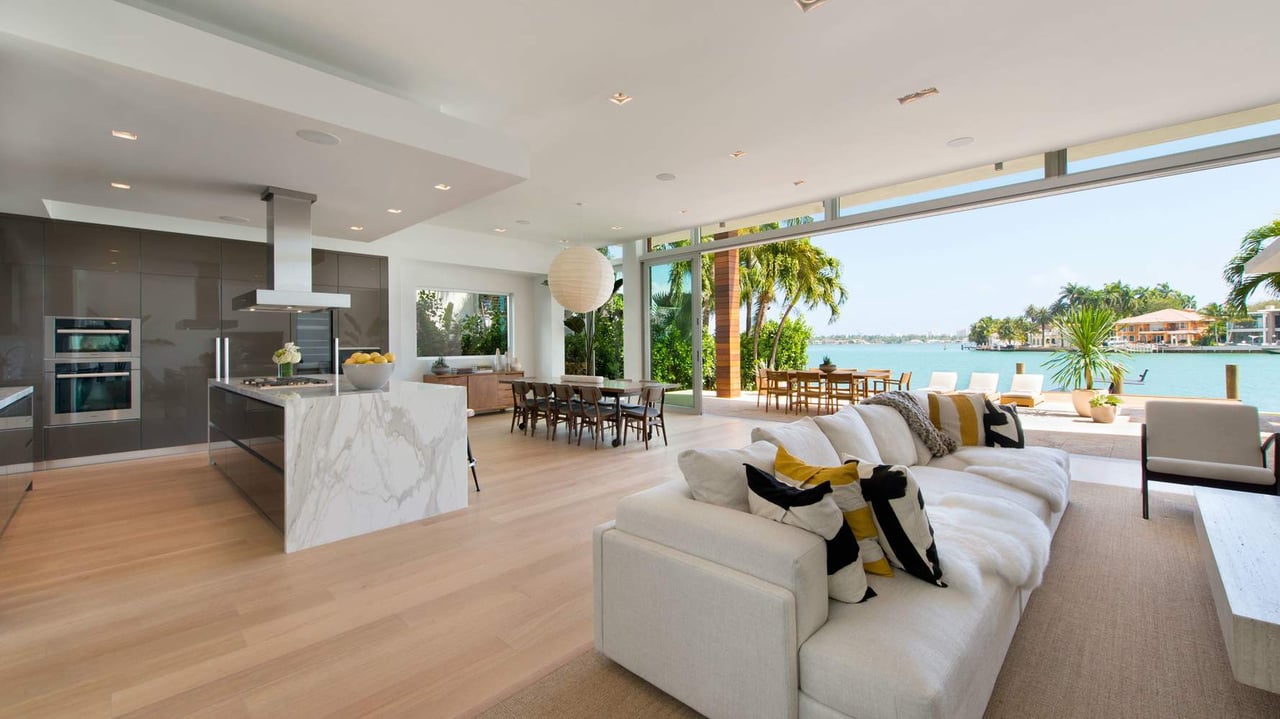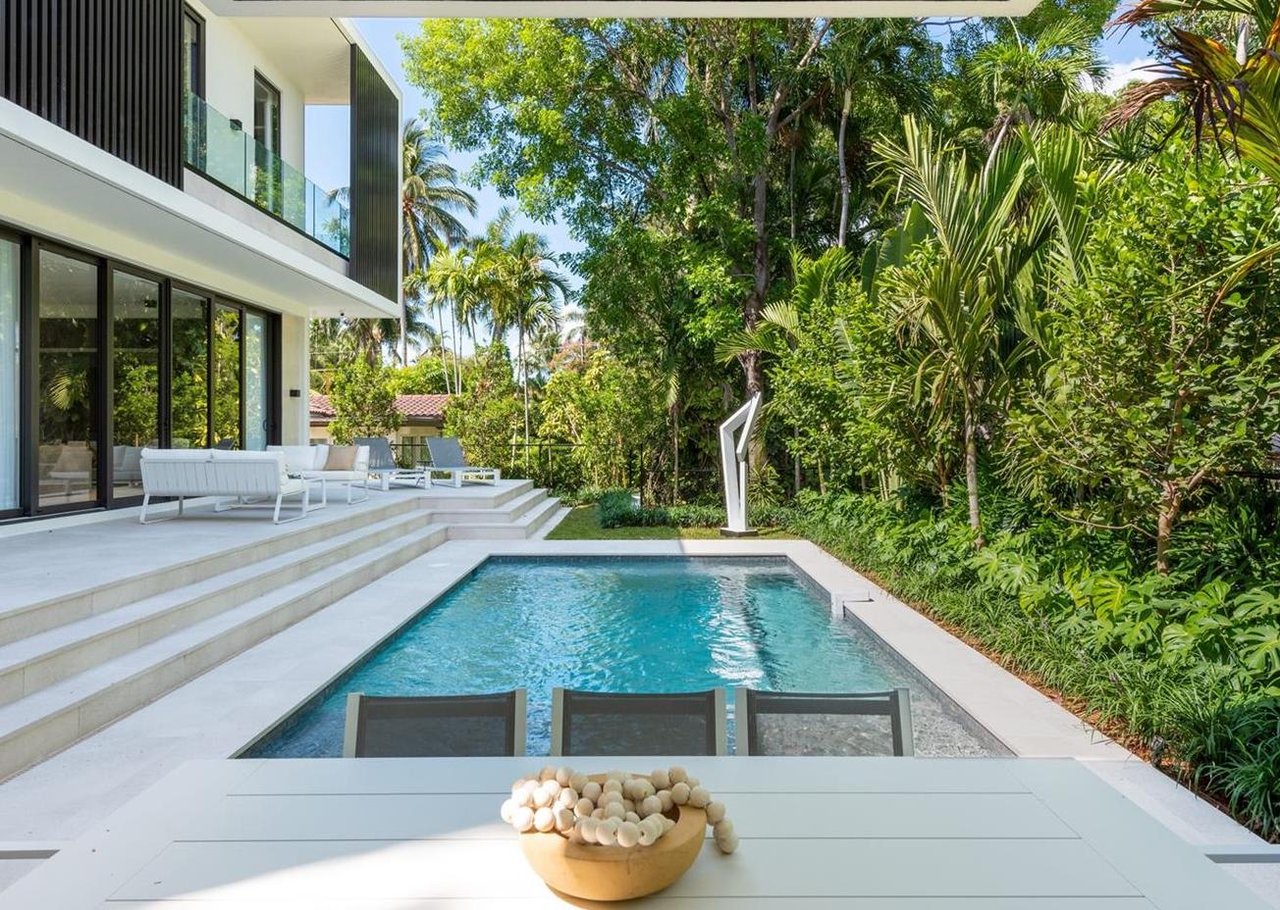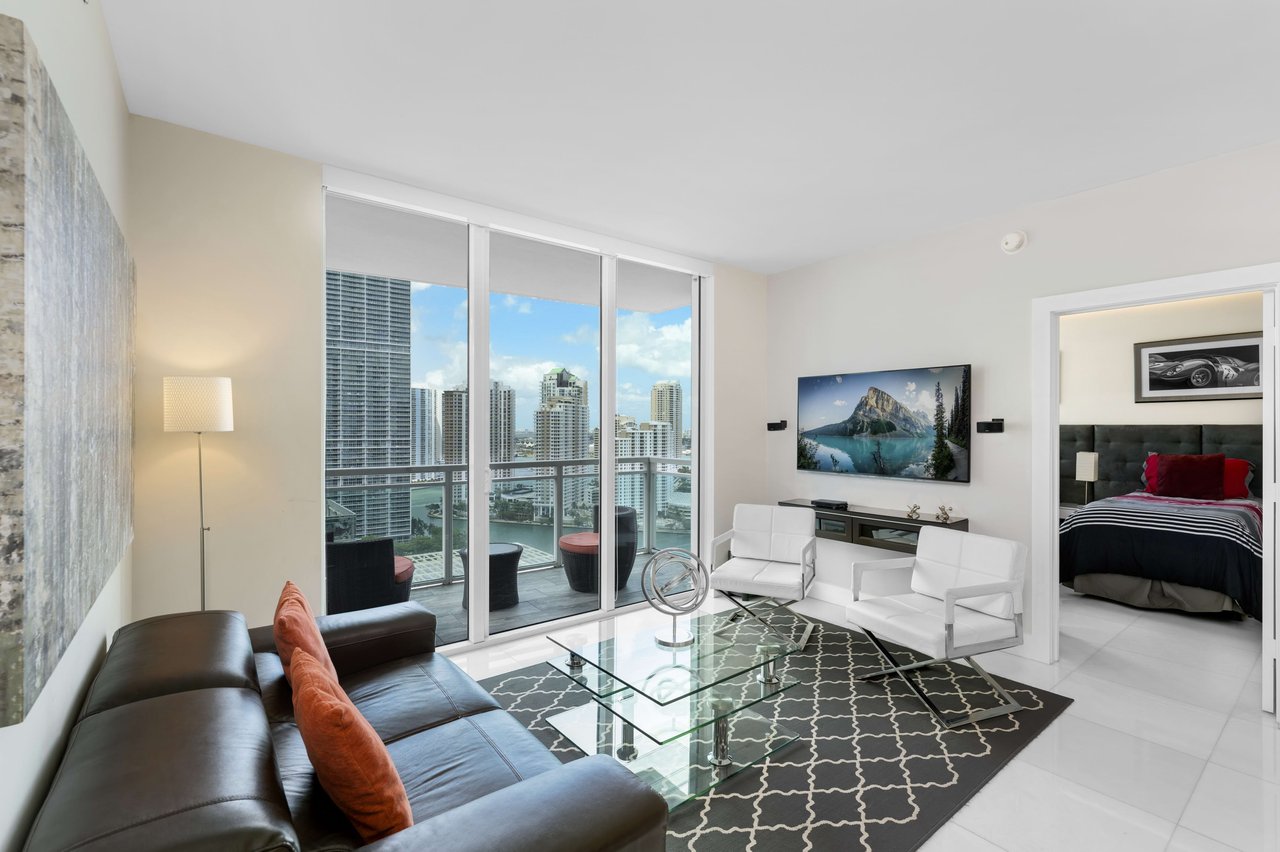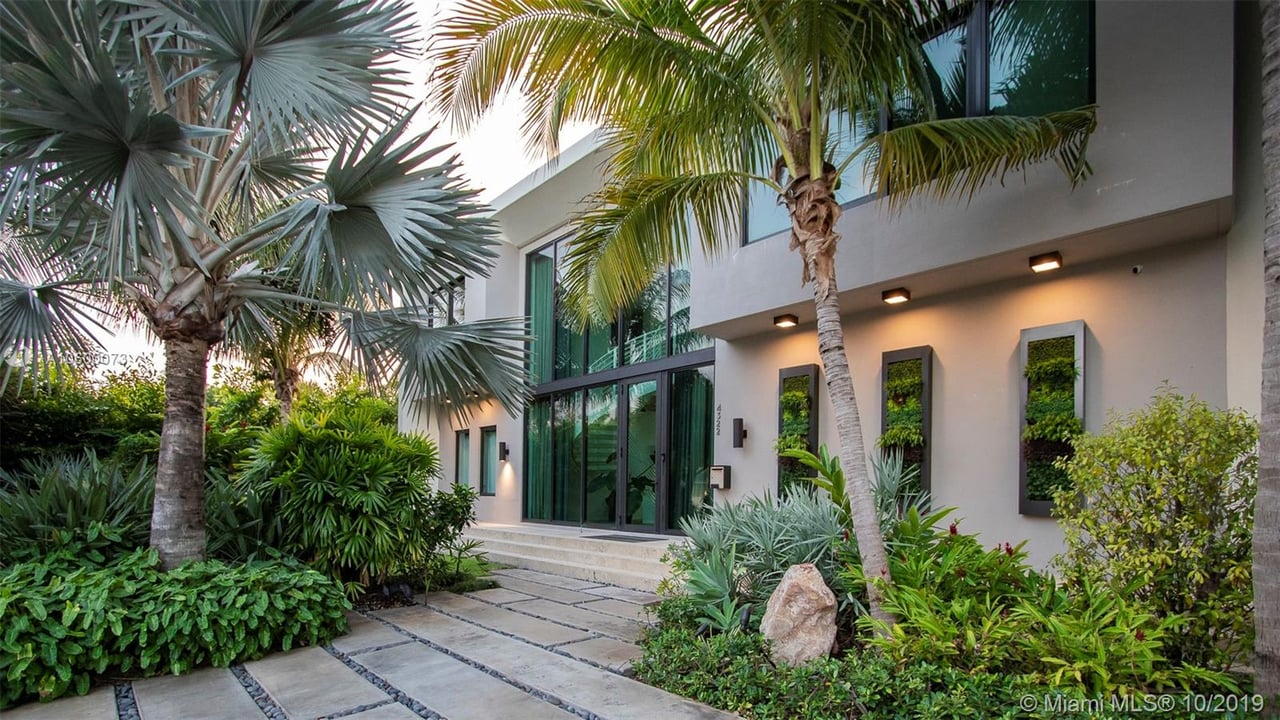
One of the more interesting conversations I have is with owners who love everything about where they live — the building, the views, the neighbors, the morning routine — but simply need more space.
The first instinct is usually to sell and start over somewhere else. But before going down that road, there is a question worth asking first.
What if the space you need is already next door?
The Case for Staying Put and Expanding
In certain Miami buildings, the best upgrade is not moving — it's expanding. Combining two adjacent units can create a custom residence that simply does not exist anywhere on the open market: significantly more square footage, in a building and location you already know and trust.
Most owners default to selling because they assume expansion is too complicated, too expensive, or simply not possible in their building. In many cases, none of those assumptions are true.
How Unit Combinations Actually Work
There are two primary approaches, each with its own logic.
Side-by-side combinations are the most common. When two units on the same floor share a wall, the dividing wall can often be removed to create a single, much larger residence. With only one kitchen needed, the extra room can be reimagined into almost anything — a larger primary suite, a proper home office, spa-like bathrooms, or additional bedrooms. Done well, the result feels far more like a custom-designed home than a traditional condo.
Vertical combinations are less common but often equally valuable. This involves purchasing the unit directly above or below yours and connecting both floors with an internal staircase. In many Miami buildings, this creates a rare two-story residence — something that would be nearly impossible to find on the open market.
A Real Example: Murano Grande, Miami Beach
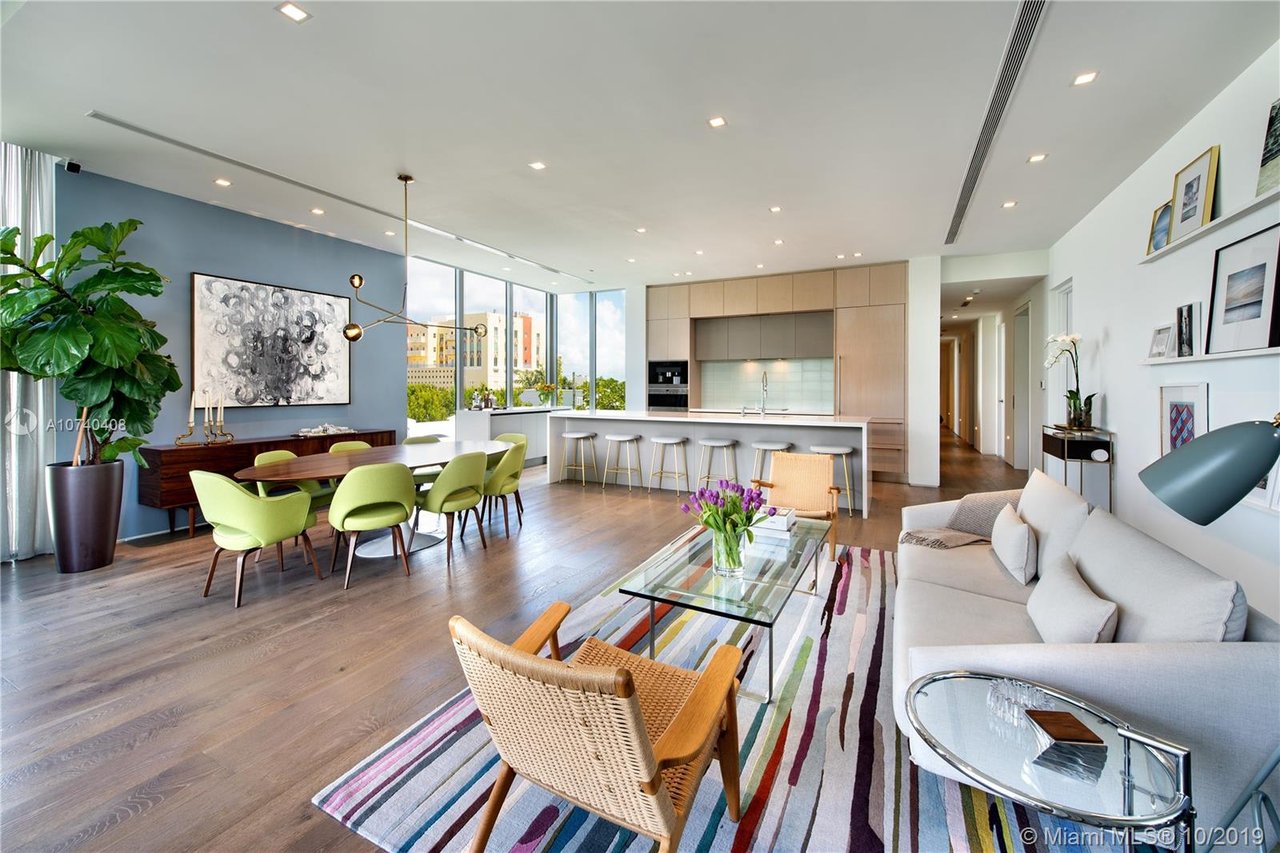
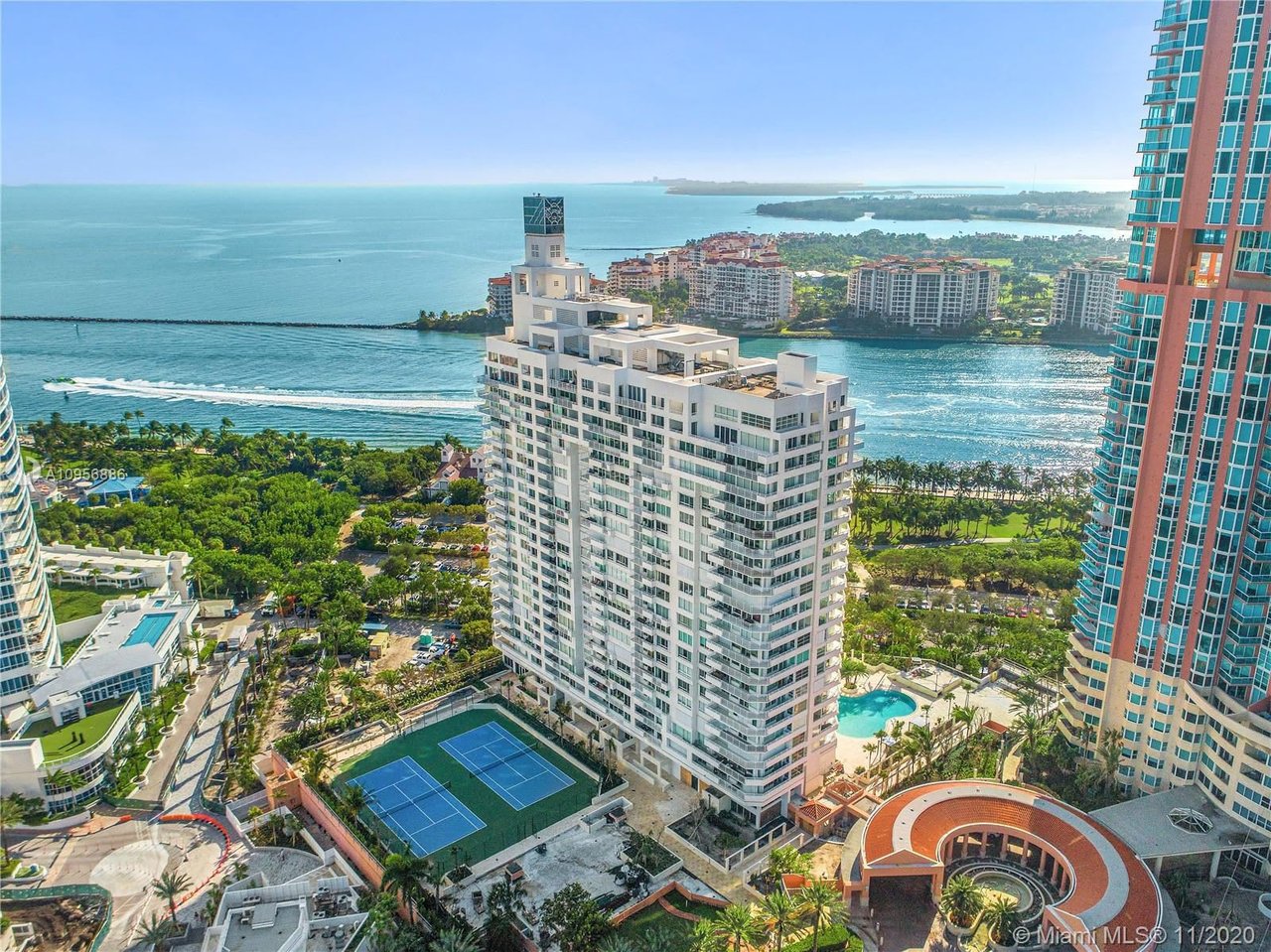
Units 1510 and 1511 at Murano Grande are a strong illustration of what this can look like in practice. A 1,548 SF two-bedroom and the neighboring 1,649 SF two-bedroom were combined into a single 4-bedroom, 4.5-bathroom residence. The property later sold for $3.5 million — a clear signal of how much the market values large, thoughtfully designed floor plans in buildings where oversized residences are rare. Linked here.
When a Combination Is Not the Right Answer
This strategy is not universally applicable.
If the layouts do not connect efficiently, the combined floor plan may feel awkward and actually be harder to sell than either unit alone. Building approval is another variable — some associations permit combinations easily, others do not. And if comparable large-format residences are available nearby at a competitive price, selling and buying elsewhere may make more financial sense.
Financing also deserves careful attention. If one condo carries a low-interest-rate mortgage and the second cannot be purchased in cash, combining both may require refinancing into a single loan structure. In some cases, preserving existing financing terms outweighs the benefit of expansion.
The Clearest Way to Evaluate It
Run both paths side by side: the cost and outcome of combining versus selling and buying something larger elsewhere. That comparison should include closing costs, renovation costs, financing structure, and the realistic market value of the finished combined residence.
It is also worth having a direct conversation with your neighbor before assuming the answer is no. Owners are often more open to the idea than you might expect.
Miami's condo market at the upper end is competitive. Large, well-designed residences in strong buildings are consistently in demand and short in supply. When an owner has the opportunity to create one of those residences — rather than compete for one — it is a strategic advantage worth exploring seriously.
If you own a condo in Miami or Miami Beach and have been thinking about more space, this conversation is worth having before you list.